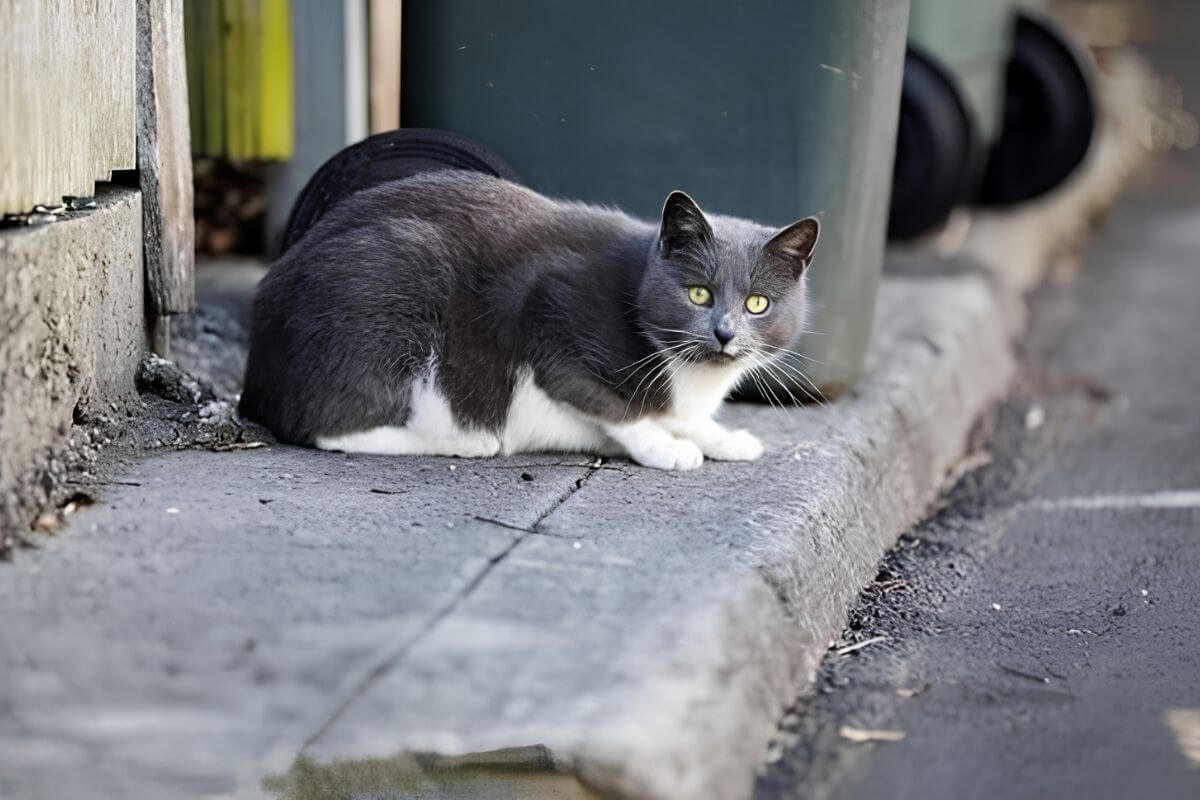
Lost Pet Finder – Way to Find Missing Dog & Cat
Your cat or dog is missing, and you want to know where to start. The Lost Pet Finder turns what you already know – when your pet went missing, and roughly where – into a personalized search-guidance report: a direction to prioritize, a search area on a map, specific places to check, timing, and clear next steps. Use it alongside the step-by-step recovery guide on this page, and you’ll have both a starting point and a process. It’s free to use, built for cats and dogs, and works for pet owners anywhere in the world – with no exaggerated promises: a Lost Pet Finder reading is a guide, not a guarantee, but it gives you somewhere concrete to start instead of searching at random.
Start Finding My Lost Pet
Use the Lost Pet Finder
The Dao conceived the One. The One divided into the Two. The Two awakened the Three. The Three became the source of all existence.
Direction & Map
No location selected.
What is the Lost Pet Finder?
The Lost Pet Finder is a search-guidance tool using mysthical ways of ancient eastern for cats and dogs. You enter the date and time your pet went missing, along with your pet’s gender, and – optionally – your pet’s last-known location. In return, you get a structured, personalized report: a priority direction, a suggested search radius plotted on an interactive map, specific types of places to check, timing guidance, and recommended next actions.
The calculation behind it draws on the Chinese lunar calendar and the traditional Stem-Branch (Can Chi) cycle, resolved through an eight-part framework in the spirit of the classical “Eight Gates” method long used in Vietnamese folk tradition to help search for people, animals and lost objects. It’s a genuine traditional calculation method, not a random generator – but it’s also not a scientific location technology, and we want to be equally clear about both of those things.
Here’s what that means in practice:
It gives you a priority direction, a search radius and specific places to check – generated from a traditional calculation method, not from GPS or live tracking.
It does not connect to shelter, veterinary or microchip databases, and it doesn’t know your pet’s exact physical location.
Treat its result as a lead to prioritize – a structured starting point for your search, not a confirmed location.
It’s designed to be used alongside – not instead of – the physical searching, neighbor outreach and shelter contacts covered later on this page.
Use the Lost Pet Finder
How Lost Pet Finder helps you find a missing pet
You don’t need to already know where your pet is to use the Lost Pet Finder – that’s the point of it. You give it the two things you do know (roughly when your pet went missing, and roughly where), and it gives you back a structured place to start, instead of searching your neighborhood at random.
Here’s the flow, end to end:
You provide information: the date and time your pet went missing, your pet’s gender, and – if you have it – your pet’s last-known location.
Lost Pet Finder processes that information using its traditional calculation method and resolves it to one of eight guidance profiles.
You receive a personalized, structured result: a named reading, a priority direction, a suggested search radius on a map, and a full report broken into clear categories (below).
That result gives you additional clues and a different perspective – a direction to prioritize, times to focus on, and types of places to check.
You combine those clues with physical searching: your own observations, neighbor reports, sightings, and what shelters and vets tell you.
You use all of that together to prioritize your search actions – where to look first, when, and who to talk to.
A Lost Pet Finder result is a lead, not a location fix. It won’t tell you with certainty where your pet is, and no responsible tool can. What it does is turn two pieces of information you already have into a concrete, prioritized starting point – which is often the hardest part of a search to figure out on your own.
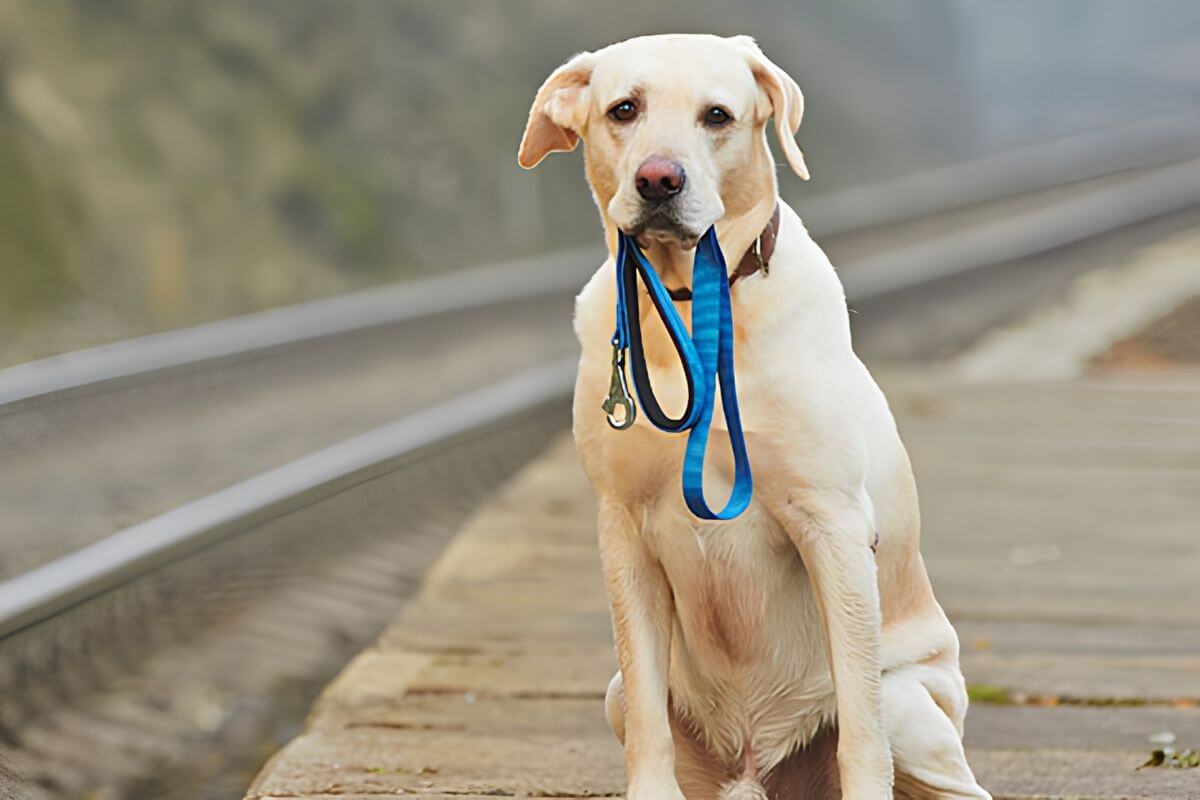
How the Lost Pet Finder works
- Enter the date and time your pet went missing, as closely as you can recall.
- Select your owner’s gender.
- Optionally, add your pet’s last-known location – share your location with your browser, or enter coordinates manually – to see your guidance mapped over your own neighborhood.
- Select “Search.”
- Lost Pet Finder converts your input into a lunar-calendar and Stem-Branch (Can Chi) reading, and resolves it to one of eight guidance profiles.
- Your result appears as a full report – a named reading, a priority direction, a suggested search radius, and the categories described below. If you added a location, this is layered onto an interactive map with a compass overlay and an adjustable search radius (100m to 9km).
There’s a short cooldown between searches (about a minute) – this keeps each result something to actually read and act on, rather than something to refresh repeatedly hoping for a different answer.
What do you get from the Lost Pet Finder?
Every result is organized into the same set of categories, so you always know where to find what you need:
- Overview – a narrative read of your particular result, explaining the general character of this search (for example, whether it points toward a quick, straightforward search or a longer, more patient one).
- Odds of Finding Your Pet – a qualitative sense of how straightforward or lengthy this particular search is likely to be, and what timeframe to expect.
- Direction & Where to Search – a priority compass direction, shown on your map if you’ve added a location, along with suggested search rings (a close radius first, then wider) and the specific kinds of places to check in that direction.
- Who to Ask – the categories of people worth talking to for this particular result – for example, neighbors, delivery or trades workers, or clinic staff, depending on the reading.
- What to Look Out For – environmental and sensory clues to watch for: terrain, colors, sounds, and the kinds of objects or other animals that might mark the right spot.
- Timing & Distance – the hours and season most likely to matter for this particular search.
- Likely State of Your Pet – a read on your pet’s probable behavior and condition right now, to help you approach safely and calmly.
- Do This / Avoid This – concrete actions to take and mistakes to avoid, specific to your result.
- In Short – a one-paragraph summary you can act on immediately.
If you add a location, your report is layered onto an interactive map centered on that spot, with a compass overlay marking your recommended direction against less favorable ones, and an adjustable search radius so you can see your priority area at a glance.
Important: these categories come from a traditional calculation method, not from GPS, scent-tracking or verified case-outcome data. Treat the specifics in your result – a direction, a distance, a time window – as a structured way to prioritize your own search, not as a confirmed fact about where your pet is.
How to use your Lost Pet Finder result
If your result points to a direction and a type of environment – say, low, water-adjacent terrain to the north – treat that as a search lead to prioritize, not proof of your pet’s location. Here’s how to put a result to work:
- Check the highlighted area on the map first, working outward through the suggested search rings rather than jumping straight to the widest radius.
- Compare it with what you already know – your pet’s last-seen location and the direction it was heading.
- Search that area at the suggested times, checking the specific types of places named in your report.
- Ask the categories of people your report names – neighbors, tradespeople, clinic staff – whether they’ve seen anything.
- Cross-check any new sightings against your report’s direction and environment clues, and re-prioritize if they point somewhere different.
- Keep working through the practical checklist below in parallel – contacting shelters and vets, sharing a notice, and checking your pet’s microchip and ID details.

I Lost My Pet – Start Here
If your cat or dog has just gone missing, work through this list in order. It’s designed to be usable on a phone, one step at a time, while you’re stressed and moving.
- Note the exact time and place you last saw your pet, including which direction they were heading.
- Search the immediate area first – inside your home (cats especially can hide in the house itself), then your yard, garage, shed and under any parked vehicles.
- Ask your immediate neighbors to check enclosed spaces on their property – sheds, garages, under decks, between fences.
- Prepare a clear, recent photo and a short, accurate description: species, breed, size, color, sex, collar/tag, and any distinguishing marks.
- Contact local shelters, animal control, rescue groups and veterinary clinics – call, but also visit in person where possible, since a stray animal’s appearance can change and descriptions get lost over the phone.
- Check that your pet’s microchip and ID tag information is current – an out-of-date phone number or address is one of the most common reasons a found pet doesn’t get back to its owner.
- Create a simple, readable lost-pet notice with the photo, description and your contact number, and share it with neighbors, local community groups and nearby businesses.
- Get your Lost Pet Finder result – enter when your pet went missing (and your location, if you can) – and use the suggested direction and search area to help prioritize where you search next.
- Log every reported sighting – date, time, exact location and direction of travel – and go back to search those specific spots, comparing them against your Lost Pet Finder direction.
How to Find a Lost Cat
What to do when your cat goes missing
Search close to home first, and search thoroughly before assuming your cat has traveled far. In one of the largest studies of lost-cat recovery patterns, researchers led by Dr. Jacquie Rand at the University of Queensland, working with the Missing Animal Response Network, found that 84% of lost cats with outdoor access and 92% of lost indoor-only cats were located within a five-house radius of home (Missing Animal Response Network, Missing Cat Study). That single finding should shape your whole search: check your own property and your immediate neighbors’ properties before widening out – and it’s a useful reality check against your Lost Pet Finder result too, if it points to a wider search radius.
Cats also tend to go quiet when frightened. A cat that’s scared or disoriented usually won’t come running or meowing when called – it hides, often silently, in the nearest safe-feeling gap it can find. That’s a key reason cats get “missed” during searches: people walk right past a cat that’s frozen and hiding a few feet away.
Where to look for a lost cat
Search these locations on your own property and, with permission, your neighbors’:
- Under porches, decks and steps
- Under and inside parked cars (cats climb into wheel wells and engine compartments)
- Sheds, garages and crawl spaces
- Dense shrubs, hedges and woodpiles
- Storm drains and low gaps under fences
- Inside your own house – closets, under beds, behind furniture – especially if your cat is normally indoor-only
Search at quiet times: early morning, late evening or overnight, when there’s less noise and activity to keep a frightened cat hidden. Move slowly, crouch down to look into low spaces, shake a treat bag or favorite toy, and call your cat’s name in a calm, familiar voice rather than shouting. Best Friends Animal Society notes that active, repeated ground searching – not just posting flyers – is what accounts for the majority of successful cat recoveries (Best Friends Animal Society).

How to search for a cat that got out
If your cat is normally indoor-only and got out, don’t assume it has run off into the neighborhood. Indoor cats are usually so disoriented by the outdoors that they hide close to the exit point rather than exploring – which is consistent with the 92% same-block recovery rate cited above. Start at the exact door or window they escaped from and search outward in expanding circles, checking every hiding spot along the way, rather than immediately searching streets away.
What not to do when searching for a cat
- Don’t assume your cat traveled far. The evidence points the other way – search close to home, repeatedly, before widening out.
- Don’t rely on a dirty litter box left outside as a lure. Some experts note this can backfire by attracting other, territorial cats that then discourage your cat from approaching.
- Don’t search only once. Cats can be in a hiding spot on day one and still there on day three – repeat searches of the same close-by areas.
- Don’t skip the shelters. Visit in person; a cat’s coat and condition can look different after time outside.
- Don’t give up after a few days. Cats are regularly reunited with owners weeks after going missing.
Use Lost Pet Finder for additional search guidance – it can help you decide which direction to prioritize once you’ve covered the close-in spots above.
How to Find a Lost Dog
What to do when your dog goes missing
Act immediately – unlike most cats, a frightened or excited dog can cover significant ground quickly, especially if it’s chasing something, startled by a loud noise, or in an unfamiliar area. Retrace the last known location and any familiar routes: regular walking routes, the dog park, a nearby trail. Search on foot and, if possible, by car along those routes, and ask anyone nearby – joggers, delivery drivers, neighbors out in their yards – if they’ve seen your dog.
Where to look for a lost dog
- The exact spot your dog was last seen, then outward along routes it knows (regular walks, parks, a previous home if you’ve recently moved)
- Nearby green spaces, wooded areas, quiet streets and dead ends
- Anywhere loud noises (traffic, construction, fireworks) might have startled the dog into running
- Locations reported by neighbors or passersby – treat every sighting as a lead worth checking immediately
Contact local shelters, animal control and veterinary clinics the same day, and go in person if you can – phone descriptions are easy to mismatch. Confirm your dog’s microchip registration and ID tag are current, and post a clear photo with an accurate description to local community and lost-pet groups.
What to do if your dog is spotted but won’t come to you
A dog that’s been loose for a while is often in a fearful, self-preservation state, even if it’s normally friendly – this is sometimes described as “survival mode.” Chasing a frightened dog almost always makes it run farther and faster; dogs can outrun most people, and a chase can push the dog toward roads or other hazards. Instead:
- Stop and crouch or sit down, turning your body sideways rather than facing the dog head-on
- Avoid direct eye contact, which dogs can read as a threat
- Speak calmly and quietly, or stay silent, and let the dog approach at its own pace
- Offer high-value food at a distance and toss it gently toward the dog rather than reaching out
- Avoid crowds – several people converging on a scared dog usually increases panic; one calm person has a better chance
- Never chase a dog toward traffic or into unfamiliar terrain
If the dog runs off before you can approach, note the exact time, location and direction it went, and report that sighting immediately – to your own search effort, to neighbors, and to local shelters or a community lost-pet group (American Kennel Club; PetHub).
Use Lost Pet Finder for additional search guidance – a fresh sighting is also a good moment to re-check your result’s direction against where the dog was actually seen.

How to Increase Your Chances of Finding a Lost Pet
- Search early, and search close before you search wide. The first hours matter, and – especially for cats – the highest-probability search area is your own property and your immediate neighbors’.
- Use more than one channel. Combine in-person shelter and vet visits, physical flyers, online community/lost-pet groups, and your Lost Pet Finder result to help prioritize where you focus first.
- Keep your description and photo consistent everywhere you post it, so sightings are easy to match to your actual pet.
- Involve your neighbors directly. People are far more likely to check their own shed or yard if you ask them personally than if they only see an online post.
- Keep ID current at all times – not just after a pet goes missing. A collar tag with a working phone number and a microchip registered with your current contact details are the two things most likely to get a found pet back to you quickly. Research published in the Journal of the American Veterinary Medical Association found microchipped dogs were returned to their owners at roughly two and a half times the rate of non-microchipped strays, and microchipped cats at roughly twenty times the rate, with an overall reunification rate of 72.7% for microchipped animals with reachable owner records (Ohio State University / JAVMA, Lord et al.).
- Record every sighting, and revisit those exact locations – and compare them against your Lost Pet Finder direction to see whether they line up.
- Stay persistent. Pets are regularly reunited with owners days, weeks, or occasionally months after going missing. A quiet week doesn’t mean the search has failed.

Found a Lost Cat or Dog?
If you’ve found an animal that doesn’t belong to you, thank you – what you do in the next hour can make a real difference. Here’s how to help responsibly and safely.
If you find a lost dog
- Assess before approaching. Watch the dog’s body language first. Stiff posture, bared teeth, raised hackles or growling mean you should not attempt to approach – contact local animal control instead.
- Approach calmly if the dog seems safe to. Turn your body sideways, avoid direct eye contact, crouch down, and let the dog come to you.
- Check for a collar and ID tag and call any numbers listed.
- Keep the dog separate from your own pets until a veterinarian has checked it over – an unfamiliar dog may carry illness, parasites, or be unvaccinated.
- Get the dog scanned for a microchip at any veterinary clinic or shelter – this is quick, painless, and often the fastest way to identify an owner.
- Contact local animal control, shelters and veterinary clinics, and check local lost-pet community groups.
- Don’t assume ownership just because no one claims the dog immediately – follow your local process for stray animals, which varies by country and region.
If you find a lost cat
- Approach gently and give the cat space – a stray or lost cat is often frightened and may hide or flee rather than approach you.
- Check for a collar, tag or obvious signs of care (recently groomed, clearly not feral).
- Take the cat to a veterinary clinic or shelter to be scanned for a microchip where possible.
- Keep the cat safely contained and away from traffic while you arrange the next step, and away from your own pets until it’s been checked by a vet.
- Post responsibly – share a photo and general area on local lost-pet groups, but avoid publishing your exact home address; arrange to meet a verified owner at a neutral, public location such as a vet clinic.
- Contact your local animal control or shelter if you’re unable to keep or safely manage the cat while an owner is located.

If you find a lost cat
- Approach gently and give the cat space — a stray or lost cat is often frightened and may hide or flee rather than approach you.
- Check for a collar, tag or obvious signs of care (recently groomed, clearly not feral).
- Take the cat to a veterinary clinic or shelter to be scanned for a microchip where possible.
- Keep the cat safely contained and away from traffic while you arrange the next step, and away from your own pets until it’s been checked by a vet.
- Post responsibly — share a photo and general area on local lost-pet groups, but avoid publishing your exact home address; arrange to meet a verified owner at a neutral, public location such as a vet clinic.
- Contact your local animal control or shelter if you’re unable to keep or safely manage the cat while an owner is located.

Common Lost Pet Search Mistakes
Even well-meaning searches go wrong in predictable ways. Avoiding these is often as important as anything else you do.
- Waiting to start searching. Every hour matters, especially in the first day.
- Searching only one location, once. Pets – cats especially – can be in the exact same hiding spot for days; a single pass isn’t enough.
- Using a blurry, outdated or unclear photo. A poor-quality photo makes it hard for anyone to confirm a sighting.
- Skipping shelters because you “already called.” Visit in person and go back regularly; phone descriptions get lost or mismatched.
- Not checking microchip and ID information until after the pet is missing. By then it’s too late to fix an outdated phone number – check it today, whether or not your pet is currently lost.
- Posting excessive personal information publicly. Share enough to be contacted safely – you don’t need to publish your home address to the entire internet.
- Chasing a frightened animal. This almost always makes the situation worse and can push the animal into danger.
- Assuming your pet has traveled far. The evidence, especially for cats, points to the opposite – search close to home first.
- Failing to record and revisit sightings. A sighting three streets over from yesterday is a lead, not old news – go back and search that specific spot.
- Treating a Lost Pet Finder result as a confirmed location instead of a lead. Use it to prioritize your search, and keep searching close to home in parallel.
Frequently Asked Questions
How do I find a lost cat?
Search close to home first – most lost cats are found within a few houses of where they went missing, often hiding silently rather than roaming. Check under porches, decks, sheds and parked cars, search at quiet times of day, contact local shelters and vets in person, and use your Lost Pet Finder result to help prioritize which direction to check first.
How do I find a lost dog?
Search the last known location and any familiar routes immediately, since dogs can travel farther than cats, especially if frightened. Contact shelters, animal control and vets the same day, ask people nearby if they’ve seen your dog, avoid chasing a dog you do spot, and use your Lost Pet Finder result to help decide where to focus your search next.
What does the Lost Pet Finder actually do?
It takes the date and time your pet went missing, your pet’s gender, and – optionally – your pet’s last-known location, and generates a structured search-guidance report: a priority direction, a suggested search radius on a map, specific places to check, timing guidance, who to ask, and recommended actions. It’s built on a traditional lunar-calendar and Stem-Branch calculation method, not on GPS or database lookups – the result is a lead to prioritize your search around, not a confirmed location.
How does the Lost Pet Finder help me search?
Your input produces a result (a direction, a search radius, specific places to check, timing and recommended actions). You interpret that result alongside what you already know about your pet’s last-seen location and any sightings, which tells you what to prioritize – which area to search first, at what time, and who to ask. From there, the practical action is the same as any search: go check those places, in that order, and keep working outward.
Is there a Lost Pet Finder for cats and dogs?
Yes – it’s available for both cats and dogs. You provide the date and time your pet went missing, your pet’s gender, and optionally your pet’s last-known location. In return you get a structured guidance report – a priority direction, a search radius on a map, specific places to check, timing, who to ask, and recommended actions – generated by a traditional calculation method. It doesn’t track your pet’s real-time location or search shelter, vet or microchip databases, so use it as one input into your search, alongside the practical steps on this page.
Can a Lost Pet Finder actually help me find my pet?
The Lost Pet Finder is designed to provide additional search guidance based on the information you provide. It does not physically track your pet or provide GPS coordinates, but its result – a priority direction, a search radius, specific places to check and timing guidance – can give you a concrete place to start or a fresh perspective when deciding where, when or how to focus your search. Always combine the result with physical searching, sightings, local shelters, veterinary clinics and the other practical recovery methods on this page.
Is the Lost Pet Finder accurate?
We don’t have controlled data on outcome accuracy, and we’re not going to claim a success rate we can’t verify. The Lost Pet Finder uses a genuine traditional calculation method – the lunar calendar and the Stem-Branch (Can Chi) cycle – resolved into one of eight structured guidance profiles; it isn’t a scientific location technology, and its results should be treated as a traditional-style search lead rather than a verified fact. The recovery advice elsewhere on this page (search radius statistics, microchip data, safe-approach techniques) is a separate, evidence-based body of guidance, cited to named veterinary and animal-welfare sources.
Does Lost Pet Finder use GPS?
No. The tool does not track your pet’s physical location using GPS. If you add a location, it’s used only to center your search-guidance map on your own neighborhood and to plot the suggested direction and radius – the direction and area themselves come from the traditional reading, not from live tracking.
What information do I need before I start searching?
The exact time and place your pet was last seen, a recent clear photo, a short accurate description (breed, size, color, distinguishing marks), and your pet’s microchip number if you have it recorded. For the Lost Pet Finder specifically, you’ll want the approximate date and time your pet went missing, your pet’s gender, and – if you want the map view – your pet’s last-known location.
Why does my pet’s microchip matter if it’s already lost?
A microchip only helps if the registration details are current. If a shelter or vet scans a chip with an old phone number or address, they may not be able to reach you. Check and update your microchip registration as soon as possible, even while actively searching by other means.
How long should I keep searching?
Longer than feels natural. Pets are regularly reunited with owners days or weeks after going missing, and occasionally longer. Keep your lost-pet notice active, keep checking shelters, and keep an eye on new sightings.
Is my information private if I use the Lost Pet Finder?
The date, time and gender you enter are used only to generate your reading and are not sent to or stored on our servers. If you choose to add a location – either by sharing your browser location or entering coordinates manually – that location is used to display an interactive map; this loads Google Maps, a third-party service, which is subject to Google’s own data practices. You are never required to add a location to use the Lost Pet Finder. Please review our Privacy Policy to understand how your data is handled while using the tool.
What are the limitations of the Lost Pet Finder tool?
It’s built on a traditional calculation method, not GPS or database lookups. It doesn’t access shelter, veterinary or microchip records, and it can’t confirm whether your pet is safe or exactly where it is. Treat its direction, radius and other details as a lead to prioritize – not a confirmed location – and always combine it with physical searching and the other practical steps on this page.
About the Lost Pet Finder
This page and the Lost Pet Finder tool are provided by Feng Shui Elite, a platform dedicated to offering traditional metaphysical guidance and practical resources for pet owners searching for a missing cat or dog. [ADD VERIFIED COMPANY INFORMATION: legal entity name, registered address, and contact details.]
Why this page exists:
Losing a pet is one of the more stressful things a pet owner goes through, and much of what circulates online is either generic or exaggerated. This page combines a straightforward, evidence-based recovery guide with the Lost Pet Finder’s structured, traditional search-guidance tool, and is honest about what each part can and can’t do.
What the tool does:
Generates a structured search-guidance report – a priority direction, a search radius, places to check, timing and recommended actions – from the date, time, gender and (optionally) location you provide, using a traditional lunar-calendar and Stem-Branch calculation method.
What the tool does not do:
It does not track a pet’s real-time location via GPS, does not search shelter, vet or microchip databases, does not post to lost-pet networks on your behalf, and does not guarantee any outcome.
How this guide was put together:
The practical recovery guidance on this page is based on published research and guidance from veterinary and animal-welfare organizations, cited by name and linked in the Sources section below. The Lost Pet Finder’s traditional guidance is a separate body of content, built on a classical calculation method rather than on scientific case data – the two are presented distinctly rather than as a single “proven” system.
Content review: Reviewed by the Feng Shui Elite Editorial TeamLast reviewed: August 31, 2026Privacy: Please review our Privacy Policy to understand how your data is handled while using the tool. [ADD LINK TO PRIVACY POLICY – not yet published on the live site.]
Sources and Methodology
Every factual claim above about lost-pet behavior, recovery rates and safe-handling guidance is drawn from the following sources. Where a claim could not be verified against a credible source, it has been left out rather than presented as fact. The Lost Pet Finder’s own guidance draws on the Chinese lunar calendar and the traditional Stem-Branch (Can Chi) cycle – a genuine traditional calculation method, distinct from the evidence-based sources below, and not itself a scientifically validated search technique.
- Rand, J. & Albrecht, K. et al., Missing Cat Study, University of Queensland with Missing Animal Response Network
- How to Find a Lost Cat, Best Friends Animal Society
- Finding a Lost Pet, ASPCA
- What to Do if You’ve Lost Your Pet and If You Find a Lost Pet, American Humane
- What to Do If You Find a Lost Dog, American Kennel Club
- 9 Ways to Help a Shy, Panicked, or Scared Lost Dog, PetHub
- Lord, L.K. et al., microchip return-to-owner study, Journal of the American Veterinary Medical Association, summarized by Ohio State University
- AAHA Universal Pet Microchip Lookup – referenced as a resource for how microchip lookups work; check the registry your pet’s microchip is actually enrolled with, or ask your vet
Readers outside the countries these organizations primarily serve should treat the underlying behavioral findings (cat hiding distance, safe dog-approach technique, microchip value) as broadly applicable, but should contact their own local animal control, shelter, rescue organization or veterinary clinic for procedures specific to their country or region.